





The CPU fan error is a common issue when booting Windows laptops or desktops. It can cause a lot of discomfort. In this article, we will discuss possible causes and efficient solutions to resolve the CPU fan error during boot.
Possible Causes for CPU Fan Error
CPU fan error is a warning that users receive when their computer shuts down automatically due to overheating, and the fan(s) can’t fully cool the device. If your fan is faulty and the computer is still overheating, this can be very grave.
Other components of computers can be permanently damaged. What is the cause of the CPU fan error? There are many reasons behind the error.
- The fan itself has physical faults.
- The incorrect settings for CPU fans.
- Other components that can cause CPU overheating, and also the fan to run at a very high frequency.
- Dust or other debris clogs the fan vents.
- The CPU fan has been connected to the wrong port.
- The CPU fan may be damaged or broken.
After reading about the reasons, you can fix the CPU fan error. I’ll show you some solutions to help you today. Continue studying the blog post.
Also read: GPU Fans Not Spinning? 6 Quick Solutions for a Safe PC
How to Fix CPU Fan Error
Move Your Computer to a Cool Location
If you place your computer in a location that is exposed to intense sunlight or often extremely hot conditions, the PC can become overheated and shut down, regardless of how much the fan is cooling the system.
To resolve the CPU fan error, you must move your PC to a cooler room or ensure that your computer isn’t exposed to bright sunlight throughout the day. In the following step, determine whether the problem with the CPU fan persists.
Clean the Vents and CPU Fan
If the first Solution does not resolve the issue, you can determine if your computer’s vents and CPU are covered in dust. If yes, you need to clean it immediately. The easiest method to clean vents is to remove the brush from the vacuum cleaner and then wash the debris or dust.
To clean the CPU fan, first turn off your computer. After that, you can use an air gun and canned air to cleanse the CPU fan.
Check the CPU Fan Position and Mounting
physical issues in the fan of the CPU that could cause the issue. Therefore, examining the CPU and its location could prove beneficial.
- The CPU fan becomes broken or falls off. So, you’ll need to secure your fans back to their original position by using a screwdriver, glue, or a screwdriver depending on the type of fan you have. When you check the inside of the device, ensure it is shut down completely (not enter a sleep mode) and disconnected from the power source.
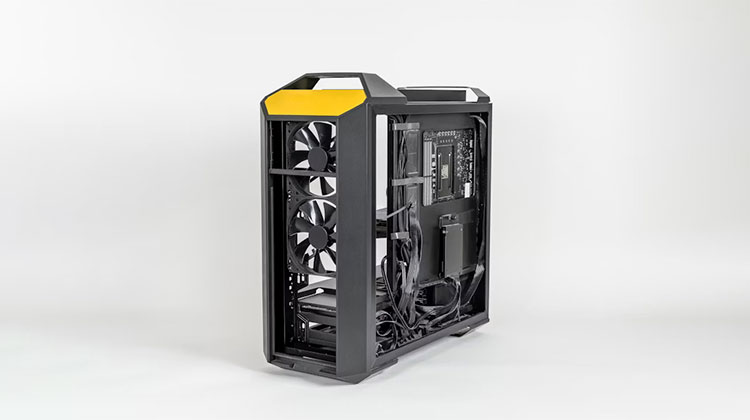
- If you are installing the CPU fan yourself, be sure the correct location is chosen. It must attach to the CPU’s motherboard. motherboard. The CPU header might be identified as “CPU Fan”, but if not, you will also find three holes (three-pin plugs to connect the fan) quickly.
If you install the fan in other locations, it may run when you turn on your computer. But if the fan does not effectively cool the CPU.
Reconnect the CPU Fan Correctly
There are many CUP fan connection ports on the computer motherboard, and you can connect the CPU fan to the wrong header. Additionally, Different kinds of ports are designed for different components in your computer. So, you might plug the fan into the right port.
Based on that, check the motherboard header labeled CPU_FAN before reconnecting your CPU fan, and ensure that the fan functions properly.
Open BIOS and Change CPU Fan Settings
You can solve technical issues by checking CPU fan settings within BIOS. How can you access the BIOS and change the CPU fan settings? Unlocking the secrets of human behavior is the first step to fixing the CPU fan error in BIOS.
Step 1. Reboot the computer. Press the F2, F12, or Delete key to enter the BIOS page.
Step 2. Click on the Power tab and then highlight the Hardware monitor option from the pop-up menu.
Step 3. Choose the CPU Fan Speed on Lower Limit option, and then change it to ignore
Replace the CPU Fan
If all the above options can’t solve the issue, maybe the fault is with your CPU fan. Now, replace the fan on your CPU to fix the problem. If your computer’s warranty covers it, or the fan is covered by its own guarantee, send it to the store for repair.
Also read: CTF Loader High CPU & Memory Usage? 5 Easy Fixes for Windows
How to Fix the Overheating Issue Caused by CPU Fan Error
If the fan on your CPU doesn’t work, your computer may begin to overheat. You can try these options to solve the overheating problem before the CPU fan error is resolved.
- Use an external fan or any heat dissipation devices to cool your PC.
- Decrease the computer’s CPU usage.
- Close your computer, and wait for it to restart (if it is possible).
How to Prevent CPU Fan Error in the Future
- Clean your PC every 3–6 months
- Use quality CPU coolers
- Monitor CPU temperature regularly
- Avoid cheap or incompatible fans
- Check fan connections after upgrades
Final word
The CPU fan is one of the most important components for proper cooling of our system. Sometimes, when you encounter a CPU fan error, it can affect the CPU’s cooling.
I hope you’ve gained some new knowledge from this blog article. If you have any concerns, please let me know in the comments section.
FAQs: CPU Fan Error
What is a CPU Fan Error?
A CPU Fan Error occurs when your computer detects that the CPU fan is not working properly or not spinning at the expected speed, which can lead to overheating.
How do I check if my CPU fan is working?
Open your PC and visually check if the fan spins when powered on. You can also monitor fan speed in BIOS or with software utilities.
Can BIOS settings cause CPU Fan Error?
Yes. Some BIOS settings require the CPU fan to spin above a minimum RPM. If the fan spins slower than this, the system may trigger a CPU Fan Error.
Does CPU Fan Error affect gaming or heavy workloads?
Yes. If the CPU is not cooled properly, it can throttle performance, crash during games, or even permanently damage components.
Is it safe to bypass CPU Fan Error in BIOS?
Only if you are certain the fan or cooling system is functioning. Bypassing the warning without proper cooling can severely damage your CPU.








Leave a comment