





Are you playing top-quality games that have crisp and fast-moving images, but you’re seeing poor quality on your monitor? We have a solution for you. In this tutorial, we will see what causes monitor ghosting and how to fix it.
What is Monitor Ghosting?
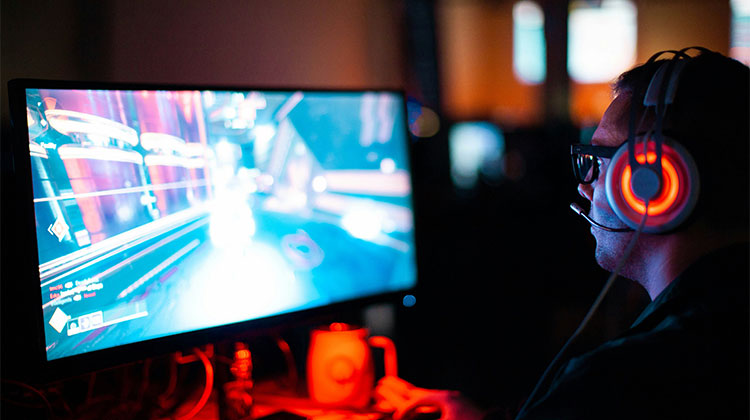
When you play high-end games featuring fast-moving graphics, you will see the trail of pixels left behind by the images. This is known as Monitor Ghosting. Fast-moving images in your game display ghost-like trails of pixels behind them that irritate and strain your eyes. Monitor Ghosting is only visible when images are fast-moving, but it is also seen in slow-moving images. The trail of pixels is evident as if it’s a characteristic of the game. The pixels aren’t real color, and they do not have the same features that the real image does.
What Causes Monitor Ghosting?
Monitor Ghosting typically occurs when the pixels of the LCD or LED panel of your display are unable to react to rapidly moving images at the exact speed. If there is a delay in the response speed between the display and the image, it leaves the footprint of pixels of the exact image behind.
Monitor ghosting is not just due to a slow response time, but also because of a defective monitor cable or the overclocking of the display to increase the refresh rate, etc.
Can Screen Ghosting be fixed?
Screen ghosting can be easily corrected. Before you can fix it, you need to discover the reason behind it. The following techniques can help you identify and correct the problem.
Also read: Why Is My Computer Screen Flickering? 8 Easy Ways to Fix It
How to fix Monitor Ghosting
In this article, we’ve listed seven options to solve monitor ghosting completely or at least reduce it to a point where it’s not distracting you anymore.
1. Monitor Ghosting Test
The first step in fixing any issue is to determine the problem. The good news is that a ghosting test is easy. Visit Blur Busters UFO Motion Test and then run the ghosting test in your browser.
If you have no issues, then you’ll get a green “Ready” signal. If, however, you’re experiencing problems with monitor ghosting, you’ll see an orange signal with suggestions on what to fix. The tool can also provide information on any issues related to frame per second, refresh rates, pixels per frame, and pixels per second of your screen.
2. Turn on Overdrive Function
Switching on the Overdrive function within the monitor settings will be the initial step to fix Monitor Ghosting. Every manufacturer has an overdrive function, for example, AMA Trace Free and Response Rate. The name is changed with each manufacturer. You must enable the Overdrive function in the settings available on screen by using the buttons that appear on the screen. This feature isn’t hidden away within the settings. It is easily accessible.
3. Tweaking Settings on Monitor
Another method to fix Monitor Ghosting is to adjust the monitor settings in the on-screen display. Try different settings and modes to determine if this resolves the problem. There isn’t a standard setting for all monitors. It’s a test-and-error approach until you discover the right setting.
4. Verify Connections and Cables
The most efficient method to resolve monitor ghosting is to check all the cable connections and cables with your display. Check your cables aren’t damaged or loose, resulting in monitor ghosting. Use the cables provided by the manufacturer, and then discard any other cables from a third party when you use them.
5. Change Your System Refresh Rate
As we’ve explained previously, a higher refresh rate can cause a rise in monitor ghosting. Therefore, if you want to minimize ghosting, reduce the refresh rate on the system. This gives your monitor’s pixels a longer time to react and reduces ghosting.
Also read: How to Fix Acer Monitor No Signal Error: 8 Quick Fixes
6. Update Graphics Drivers
Older graphics drivers can also cause Monitor ghosting. High-end games that have fast-moving graphics require the finest graphics capabilities to operate smoothly. It can be achieved if drivers are updated. Ensure graphics drivers installed on your computer are up-to-date.
7. Get a New Monitor with a Lower Response Rate
If you’re looking to play high-speed games on an ordinary monitor, the best thing you can do is to get a new monitor designed specifically for gaming that has a lower response speed. Numerous brands on the market offer top features and affordable prices.
These are the methods by which you can resolve monitor ghosting issues on your PC.
FAQs: Monitor Ghosting
Is monitor ghosting bad for gaming?
Yes, monitor ghosting can negatively affect gaming by making fast-moving scenes appear blurry, reducing clarity, and causing eye strain—especially in FPS and racing games.
How can I test monitor ghosting?
You can test monitor ghosting using online tools like the Blur Busters UFO Motion Test, which shows motion clarity, trailing, and response behavior.
Is screen ghosting the same as motion blur?
No. Screen ghosting is caused by slow pixel response, while motion blur is often caused by low frame rates or camera movement effects in games.
Can monitor ghosting damage your eyes?
Monitor ghosting doesn’t damage eyesight permanently, but it can cause eye strain, headaches, and discomfort during long gaming or work sessions.
How do I know if ghosting is normal for my monitor?
If ghosting improves with overdrive or lower refresh rates, it’s likely normal behavior for that panel type.







Leave a comment